Sustainable Agriculture Methods for the Future
Imagine a world where farming not only feeds us but also nurtures the earth, preserves biodiversity, and supports communities. That’s the promise of sustainable agriculture methods! As someone who’s passionate about nature and ethical farming, I’m excited to share how these practices are shaping the future of farming. Whether you’re curious about how your food is grown or looking for ways to support eco-friendly farms, this post is for you.
Sustainable agriculture is more than a trend - it’s a movement towards harmony between humans and the land. Let’s dive into the heart of these methods and explore how they can transform farming into a force for good.
Embracing Sustainable Agriculture Methods: What They Are and Why They Matter
Sustainable agriculture methods focus on producing food in ways that are environmentally sound, economically viable, and socially responsible. This means farmers work with nature, not against it, to maintain healthy soil, clean water, and thriving ecosystems.
Some key features include:
Soil health management: Using cover crops, crop rotation, and organic compost to keep soil fertile and alive.
Water conservation: Employing drip irrigation and rainwater harvesting to reduce water waste.
Biodiversity promotion: Planting diverse crops and maintaining natural habitats to support pollinators and wildlife.
Reduced chemical use: Minimising synthetic pesticides and fertilisers to protect ecosystems and human health.
Animal welfare: Raising livestock in humane conditions with access to pasture and natural behaviours.
These methods don’t just protect the environment; they also improve food quality and support local communities. For example, rotating crops can reduce pests naturally, meaning less need for harmful chemicals. Plus, healthy soil stores more carbon, helping fight climate change.
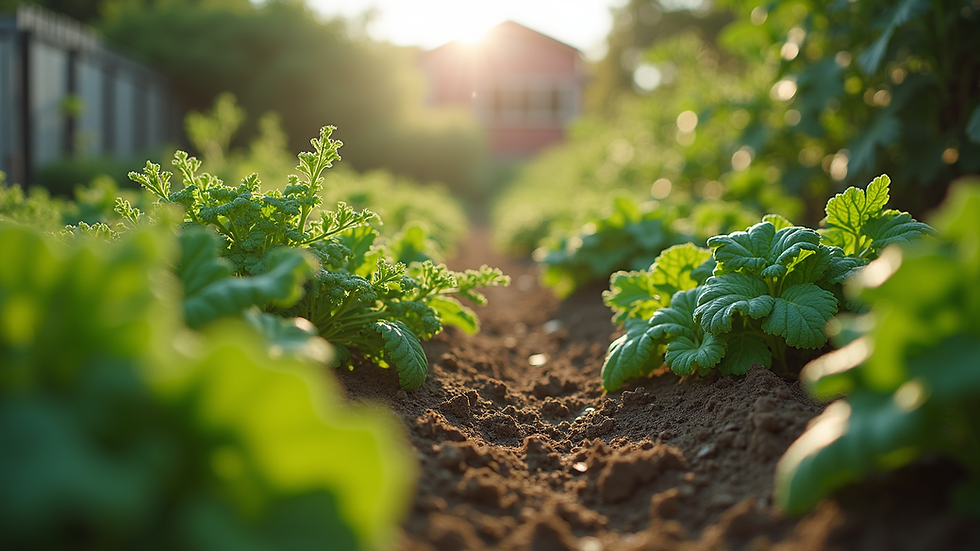
By adopting sustainable agriculture methods, farms become resilient to climate challenges and more productive over time. It’s a win-win for everyone involved!
Practical Sustainable Agriculture Methods You Can See in Action
Let’s get into some real-world examples of sustainable agriculture methods that are making a difference on farms today. These approaches are practical, proven, and adaptable to many environments.
Crop Rotation and Polyculture
Instead of planting the same crop year after year, farmers rotate different crops seasonally. This breaks pest cycles, improves soil nutrients, and reduces erosion. Polyculture takes it further by growing multiple crops together, mimicking natural ecosystems.
For instance, a farmer might plant legumes one season to fix nitrogen in the soil, then follow with grains that benefit from that nitrogen boost. Intercropping beans with corn can also provide natural shade and pest control.
Organic Composting and Natural Fertilisers
Rather than relying on synthetic fertilisers, many farms use compost made from plant waste, manure, and other organic materials. This enriches the soil with nutrients and beneficial microbes, improving plant health and yield.
Composting also reduces waste and greenhouse gas emissions by diverting organic matter from landfills.
Water-Smart Irrigation
Water is precious, especially in regions prone to drought. Sustainable farms use drip irrigation systems that deliver water directly to plant roots, minimising evaporation and runoff. Rainwater harvesting systems collect and store rain for irrigation during dry spells.
These methods save water and reduce energy use, making farms more sustainable and cost-effective.
Integrated Pest Management (IPM)
IPM combines biological, cultural, and mechanical controls to manage pests with minimal chemical use. This might include introducing beneficial insects like ladybugs, using pheromone traps, or planting pest-repellent companion plants.
By focusing on prevention and natural controls, IPM protects crops and the environment.

What is the Most Sustainable Method of Farming?
This is a question I get asked a lot! The truth is, there isn’t a one-size-fits-all answer. The most sustainable method depends on the local climate, soil, water availability, and community needs. However, some approaches stand out for their holistic benefits.
Agroecology
Agroecology applies ecological principles to farming, integrating crops, animals, and people in a balanced system. It emphasises biodiversity, soil health, and social equity. Agroecological farms often combine crop rotation, agroforestry (trees with crops), and animal integration to create resilient ecosystems.
Permaculture
Permaculture designs farming systems that mimic natural ecosystems, focusing on sustainability and self-sufficiency. It uses techniques like swales for water management, companion planting, and perennial crops to reduce labour and inputs.
Regenerative Agriculture
This method goes beyond sustainability by actively restoring degraded soils and ecosystems. Practices include no-till farming, cover cropping, and holistic grazing management. Regenerative agriculture improves soil carbon storage, water retention, and biodiversity.
Each of these methods shares a common goal: to create farming systems that are productive, resilient, and beneficial for people and the planet.
How You Can Support Sustainable Farming Practices
You might wonder, “How can I help support these amazing farming methods?” The good news is, there are plenty of ways to get involved and make a difference.
Buy local and seasonal produce: Supporting local farmers who use sustainable methods reduces food miles and encourages eco-friendly farming.
Choose organic or certified sustainable products: These labels often indicate reduced chemical use and better environmental practices.
Visit sustainable farms and agritourism spots: Experiences like farm stays or tours connect you with the land and the people growing your food.
Grow your own garden: Even a small herb pot or veggie patch can teach you about soil health and biodiversity.
Advocate for sustainable policies: Support initiatives that promote sustainable agriculture and protect farmland.
By making mindful choices, you help create demand for sustainable farming practices and encourage more farms to adopt them.
Looking Ahead: The Future of Farming is Bright and Green
The future of farming is full of promise. With advances in technology, education, and community engagement, sustainable agriculture methods are becoming more accessible and effective. Imagine farms powered by renewable energy, using smart sensors to optimise water and nutrient use, and fostering rich ecosystems that support wildlife and people alike.
At places like Iris Lodge Alpacas, we’re proud to be part of this movement. We offer unique, ethical, and accessible farm experiences that connect visitors with nature and promote sustainable tourism. It’s about creating meaningful moments while caring for the land.
Together, we can nurture a future where farming is a source of joy, health, and hope. So, next time you enjoy fresh, wholesome food, remember the hands and hearts working sustainably behind it. Let’s celebrate and support sustainable agriculture methods - because the earth deserves nothing less!
Thank you for joining me on this journey through sustainable farming. If you’re curious to learn more or want to experience these practices firsthand, keep exploring and stay connected with farms that share this vision. The future is green, and it starts with us!



excellent article with clear points. many users also prefer using an instagram downloader for offline viewing of important clips.