Understanding Regenerative Farming in Australia: Embracing Sustainable Farm Practices
When I first heard about regenerative farming, I was curious but a little unsure what it really meant. It sounded like a buzzword, but as I dug deeper, I discovered a whole world of sustainable farm practices that are transforming agriculture across Australia. This approach isn’t just about growing food; it’s about healing the land, supporting biodiversity, and creating a future where farms thrive alongside nature. Let me take you on a journey through regenerative farming in Australia, sharing what it is, why it matters, and how it’s shaping the way we connect with the earth.
What Are Sustainable Farm Practices and Why Do They Matter?
Sustainable farm practices are all about working with nature, not against it. They focus on maintaining healthy soil, conserving water, and promoting biodiversity while producing food in a way that can last for generations. In Australia, where the climate can be harsh and the land fragile, these practices are especially important.
Some key sustainable farm practices include:
Crop rotation: Changing the types of crops grown in a field to improve soil health and reduce pests.
Cover cropping: Planting crops that protect and enrich the soil during off-seasons.
Reduced tillage: Minimising soil disturbance to preserve its structure and microbial life.
Integrated pest management: Using natural predators and organic methods to control pests instead of chemicals.
Water conservation: Employing techniques like drip irrigation and rainwater harvesting to use water wisely.
These methods help farmers maintain productivity while reducing environmental impact. They also build resilience against droughts and extreme weather, which are becoming more frequent in Australia.

The Heart of Regenerative Farming: Healing the Land
Regenerative farming goes beyond sustainability. It’s about actively restoring the health of the soil and ecosystems. Think of it as giving back to the earth more than you take. This approach focuses on rebuilding organic matter in the soil, increasing biodiversity, and improving water cycles.
Here’s how regenerative farming achieves this:
Soil regeneration: Using compost, manure, and cover crops to boost soil organic matter.
Agroforestry: Integrating trees and shrubs into farmland to provide shade, habitat, and improve soil.
Holistic grazing: Managing livestock to mimic natural herd movements, which helps fertilise the soil and control weeds.
No synthetic chemicals: Avoiding pesticides and fertilisers that harm soil life and water quality.
By adopting these practices, farmers can increase carbon sequestration, which means capturing carbon dioxide from the atmosphere and storing it in the soil. This not only helps fight climate change but also improves soil fertility and water retention.
Australia’s unique landscapes and ecosystems make regenerative farming a perfect fit. It respects the natural rhythms of the land and supports native plants and animals.

What is the 6 3 4 Rule?
You might be wondering about the 6 3 4 rule, a handy guideline some regenerative farmers use to balance their practices. It’s a simple way to remember key principles that help maintain soil and ecosystem health.
6: Six inches of healthy topsoil is the goal. This layer is where most plant roots grow and where soil life thrives.
3: Three types of plants should be grown together to encourage biodiversity and natural pest control.
4: Four key elements to monitor regularly: soil moisture, organic matter, pH levels, and nutrient content.
This rule helps farmers keep their focus on the essentials, ensuring their land stays productive and vibrant. It’s a practical tool that anyone interested in regenerative farming can use to guide their efforts.
How Regenerative Farming Benefits Communities and Visitors
Regenerative farming isn’t just good for the environment; it’s great for people too! Farms that embrace these practices often become hubs for education, tourism, and community connection. Imagine visiting a farm where you can see animals grazing peacefully, taste fresh, nutrient-rich produce, and learn about the land’s history and future.
For families, couples, seniors, and groups, these farms offer unique experiences that combine fun, learning, and relaxation. You get to connect with nature in a meaningful way, understanding how food grows and why caring for the earth matters.
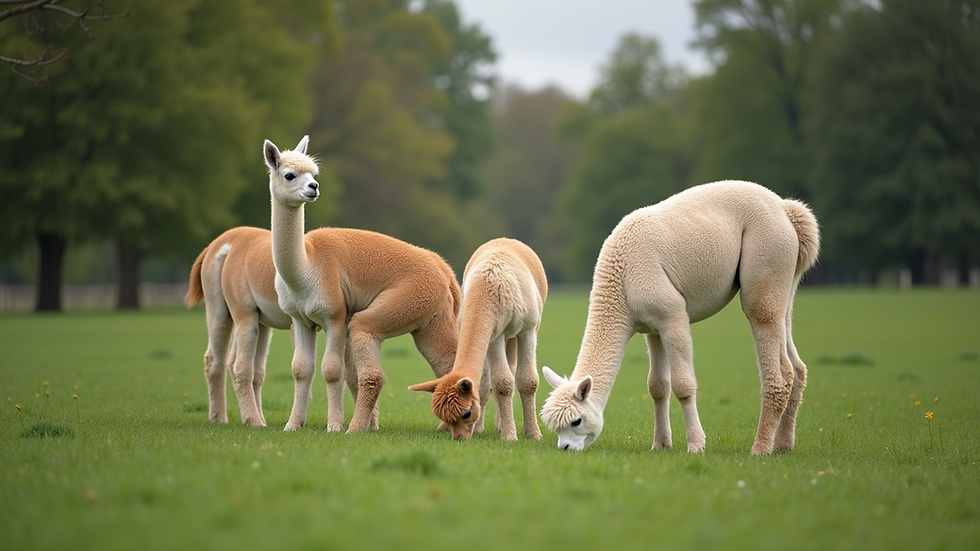
At places like Iris Lodge Alpacas on the Central Coast, regenerative farming principles are part of the experience. Visitors can enjoy ethical interactions with animals, explore sustainable gardens, and discover how farming can be both productive and gentle on the planet.
Here are some ways regenerative farms engage visitors:
Farm tours: Guided walks explaining sustainable practices and local ecology.
Workshops: Hands-on activities like composting, planting, or caring for animals.
Farm stays: Overnight visits that immerse guests in farm life.
Local produce markets: Fresh, seasonal food grown with care.
These experiences foster a deeper appreciation for the land and inspire people to support sustainable agriculture.
Getting Started with Regenerative Farming at Home or in Your Community
You don’t have to own a big farm to embrace regenerative principles. Whether you have a backyard, a community garden, or just a few pots on a balcony, you can start making a difference.
Here are some simple steps to begin:
Build healthy soil: Add compost and mulch to nourish your plants.
Grow diverse plants: Mix flowers, vegetables, and herbs to attract beneficial insects.
Avoid chemicals: Use natural pest control methods like neem oil or companion planting.
Collect rainwater: Set up barrels to water your garden sustainably.
Support local regenerative farms: Buy produce from farmers who use these methods.
By taking these actions, you contribute to a healthier environment and enjoy fresher, tastier food.
If you want to dive deeper, there are plenty of resources and local groups focused on regenerative farming in Australia. Connecting with them can provide guidance, inspiration, and community support.
For those interested in learning more about regenerative farming in Australia, check out this helpful resource: regenerative farming australia.
Embracing a Greener Future Together
Exploring regenerative farming has been an eye-opener for me. It’s a hopeful, practical way to care for the land while producing food that nourishes us all. Whether you’re visiting a farm, starting a garden, or simply curious about where your food comes from, understanding these sustainable farm practices opens up a world of possibilities.
The beauty of regenerative farming lies in its simplicity and its power to create lasting change. It invites us to slow down, observe, and work with nature’s rhythms. And in doing so, it offers a brighter, greener future for everyone.
So, why not take a step today? Visit a regenerative farm, try growing something new, or share what you’ve learned with friends and family. Together, we can nurture the earth and enjoy the rich rewards it has to offer.
Happy farming and happy exploring!

Comments