Regenerative Farming Methods: Regenerative Farming in Australia Explained
Imagine stepping onto a farm where the soil is rich, the air is fresh, and the land seems to hum with life. That’s the magic of regenerative farming! It’s a way of working with nature, not against it, to create thriving ecosystems that benefit everyone. Today, I’m excited to take you on a journey through regenerative farming methods and how they’re transforming agriculture right here in Australia.
Exploring Regenerative Farming Methods
Regenerative farming methods are all about healing the land while producing food. Unlike conventional farming, which often depletes soil and harms ecosystems, regenerative practices focus on restoring soil health, increasing biodiversity, and capturing carbon. It’s a win-win for farmers and the planet!
Some of the key methods include:
Cover cropping: Planting specific crops to protect and enrich the soil during off-seasons.
No-till farming: Minimising soil disturbance to preserve its structure and microbial life.
Rotational grazing: Moving livestock regularly to prevent overgrazing and encourage pasture regrowth.
Composting and organic amendments: Adding natural materials to boost soil fertility.
Agroforestry: Integrating trees and shrubs into farming systems for shade, shelter, and habitat.
These techniques work together to build resilient farms that can withstand droughts, floods, and pests better than ever before. Plus, they help lock carbon in the soil, which is a crucial step in fighting climate change.

What is regenerative farming in Australia?
Regenerative farming in Australia is a growing movement that embraces these methods tailored to our unique landscapes and climates. From the dry rangelands of Queensland to the fertile valleys of New South Wales, farmers are adopting practices that restore degraded soils and bring back native plants and animals.
One inspiring example is the use of rotational grazing by Australian sheep farmers. By carefully managing where and when sheep graze, they allow pastures to recover, improving soil organic matter and water retention. This not only boosts wool and meat quality but also supports local biodiversity.
Another exciting approach is cover cropping with native legumes and grasses. These plants fix nitrogen in the soil naturally, reducing the need for synthetic fertilisers. They also provide habitat for beneficial insects and pollinators, which are vital for healthy crops.
Farmers are also experimenting with permaculture principles, designing farms that mimic natural ecosystems. This means creating diverse plantings, water catchments, and wildlife corridors that work in harmony.
If you want to learn more about how regenerative farming is shaping the future of agriculture, check out this link on regenerative farming australia.
Why is regenerative farming gaining momentum?
You might wonder why so many farmers and communities are embracing regenerative farming methods. The answer lies in the many benefits it offers:
Improved soil health: Healthy soil means better water retention, nutrient cycling, and crop yields.
Climate resilience: Farms become more adaptable to extreme weather events.
Biodiversity boost: Native plants and animals return, creating balanced ecosystems.
Economic savings: Reduced need for chemical inputs and improved productivity.
Carbon sequestration: Capturing carbon in soil helps mitigate climate change.
For families and groups visiting farms, regenerative agriculture offers a unique chance to connect with nature and understand where food comes from. It’s a hands-on experience that’s both educational and inspiring.

How can you support regenerative farming?
Supporting regenerative farming is easier than you might think! Here are some practical ways to get involved:
Choose regenerative products: Look for food labelled as grown using regenerative methods.
Visit regenerative farms: Many farms offer tours and experiences where you can see these practices in action.
Start small at home: Try composting, planting cover crops, or reducing chemical use in your garden.
Spread the word: Share what you learn about regenerative farming with friends and family.
Support local farmers: Buying directly from farmers who use regenerative methods helps sustain their work.
By making these choices, you’re helping create a healthier planet and supporting farmers who care deeply about the land.
Bringing regenerative farming to life
At places like Iris Lodge Alpacas on the Central Coast, regenerative farming isn’t just a concept - it’s a way of life. Visitors can experience the joy of interacting with animals, learning about sustainable farming, and seeing firsthand how the land is nurtured back to health.
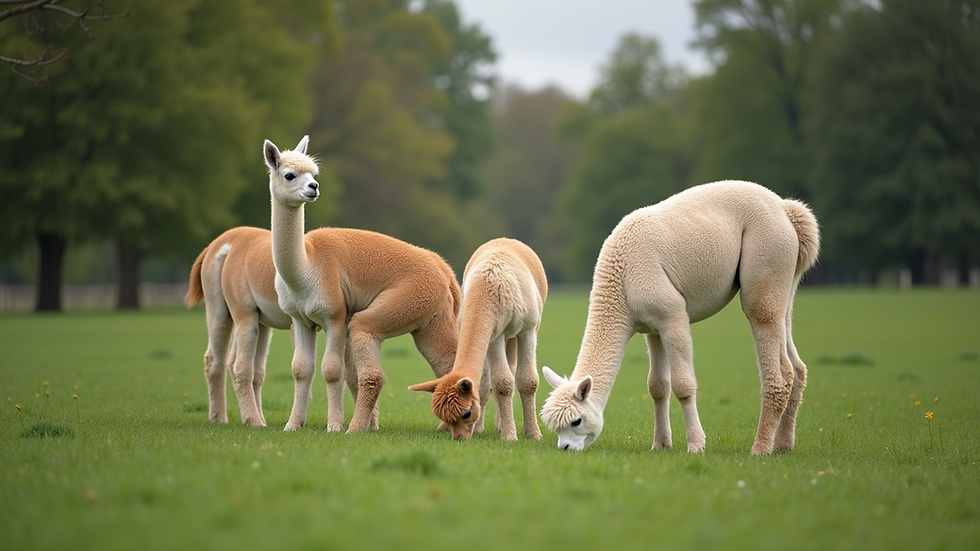
Imagine walking through vibrant pastures, watching alpacas graze peacefully, and feeling the soft earth beneath your feet. It’s a beautiful reminder that farming can be gentle, ethical, and deeply connected to nature.
Whether you’re a family looking for a meaningful day out, a couple seeking a peaceful retreat, or a group eager to learn about sustainability, regenerative farms offer something special. They invite us all to be part of a positive change, one small step at a time.
So next time you think about farming, remember - it’s not just about growing food. It’s about growing life, community, and hope for the future. And regenerative farming methods are leading the way.
Let’s celebrate and support this incredible journey together!


Comments