The Importance of Ethical Animal Farming: A Path to a Better Future
- alpacasjilliby
- Dec 24, 2025
- 4 min read
Updated: Jan 12
Animal farming has been a cornerstone of human civilization for thousands of years. However, as the global population grows and environmental concerns intensify, the way we raise animals for food is under scrutiny. Ethical animal farming is emerging as a vital approach that balances animal welfare, environmental sustainability, and economic viability. This blog post explores why ethical animal farming matters, its benefits, and practical steps to support this movement.
Understanding Ethical Animal Farming
Ethical animal farming focuses on treating farm animals with respect and care throughout their lives. This means providing animals with adequate space, proper nutrition, and humane handling. Unlike conventional factory farming, which often prioritizes quantity over quality, ethical farming aims to reduce animal suffering and promote natural behaviors.
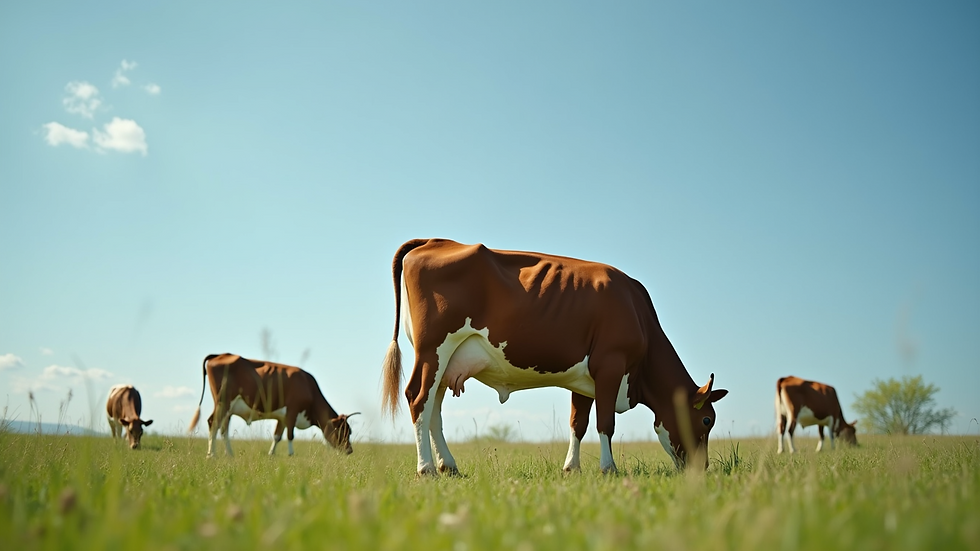
For example, free-range poultry farms allow chickens to roam outdoors, pecking and scratching in the soil, which is closer to their natural lifestyle. Similarly, pasture-raised cattle graze on open fields rather than being confined to crowded feedlots. These practices not only improve animal welfare but also result in healthier, tastier products.
Key Principles of Ethical Animal Farming
Animal Welfare: Ensuring animals have clean living conditions, access to fresh air, and freedom from pain.
Environmental Stewardship: Minimizing pollution, conserving water, and maintaining soil health.
Transparency: Providing consumers with clear information about farming practices.
Community Support: Supporting local farmers and rural economies.

The Role of Ethical Animal Farming in Environmental Sustainability
One of the most pressing global challenges is environmental degradation. Conventional animal farming contributes significantly to greenhouse gas emissions, deforestation, and water pollution. Ethical animal farming offers solutions that help mitigate these impacts.
For instance, rotational grazing is a technique where livestock are moved between pastures to prevent overgrazing. This method promotes soil regeneration, increases carbon sequestration, and reduces the need for chemical fertilizers. Additionally, integrating crop and livestock farming can create a closed-loop system where animal waste fertilizes crops, reducing waste and enhancing productivity.
By adopting ethical practices, farmers can reduce their carbon footprint and protect biodiversity. This is why sustainable animal farming is gaining attention as a critical component of environmental conservation.
Environmental Benefits of Ethical Animal Farming
Reduced Greenhouse Gas Emissions: Lower methane and nitrous oxide release.
Improved Soil Health: Enhanced organic matter and nutrient cycling.
Water Conservation: Less contamination and efficient use of water resources.
Biodiversity Protection: Preservation of natural habitats and wildlife.
Economic and Social Advantages of Ethical Animal Farming
Ethical animal farming is not only good for animals and the environment but also offers economic and social benefits. Small-scale farmers who adopt ethical practices often find new market opportunities by catering to consumers who value quality and transparency.
Consumers are increasingly willing to pay a premium for products labeled as ethically farmed, organic, or free-range. This demand supports local economies and encourages sustainable rural development. Moreover, ethical farming can improve food security by promoting resilient farming systems that are less dependent on external inputs.
How Ethical Animal Farming Supports Communities
Job Creation: More labour-intensive practices create employment.
Local Food Systems: Strengthening connections between producers and consumers.
Cultural Preservation: Maintaining traditional farming knowledge and practices.
Healthier Food: Providing nutrient-rich, chemical-free products.
Practical Steps to Promote Ethical Animal Farming
Whether you are a consumer, farmer, or policymaker, there are actionable ways to support ethical animal farming:
Choose Ethically Sourced Products: Look for certifications like free-range, organic, or animal welfare approved.
Support Local Farmers: Buy from farmers' markets or community-supported agriculture (CSA) programs.
Advocate for Policy Change: Encourage governments to implement regulations that promote animal welfare and environmental protection.
Educate Yourself and Others: Share information about the benefits of ethical farming and sustainable consumption.
Reduce Meat Consumption: Incorporate more plant-based meals to lessen the demand for intensive animal farming.
Farmers can also adopt best practices such as improving animal housing, using natural feed, and implementing waste management systems to enhance sustainability.
Looking Ahead: The Future of Ethical Animal Farming
The future of food production depends on our ability to balance human needs with the planet’s health. Ethical animal farming represents a promising path forward. By prioritizing animal welfare, environmental care, and social responsibility, this approach can help create a more resilient and just food system.
Technological innovations, such as precision farming and blockchain for supply chain transparency, are also enhancing ethical farming practices. These tools enable better monitoring of animal health and ensure consumers receive accurate information about the origins of their food.
Ultimately, embracing ethical animal farming is a collective effort. It requires commitment from producers, consumers, and policymakers alike to build a sustainable and compassionate food future.
Conclusion: The Importance of Ethical Animal Farming
Ethical animal farming is more than a trend - it is a necessary shift towards a healthier planet and society. By making informed choices and supporting responsible farming, we can all contribute to a better world for animals, people, and the environment.
In summary, ethical animal farming plays a crucial role in ensuring animal welfare, protecting the environment, and supporting local economies. By understanding its principles and advocating for its practices, we can help pave the way for a sustainable future.


Comments