Practising Sustainable Farm Practices with Alpacas
When I first discovered alpacas, I was instantly charmed by their gentle nature and soft hums. But what truly captivated me was how these delightful creatures fit perfectly into a sustainable farming lifestyle. Alpacas are not just adorable animals; they are a key part of a farming system that respects the earth, nurtures the land, and supports ethical animal care. Today, I want to share with you how practising sustainable farm practices with alpacas can transform your connection to nature and farming.
Why Choose Alpacas for Sustainable Farm Practices?
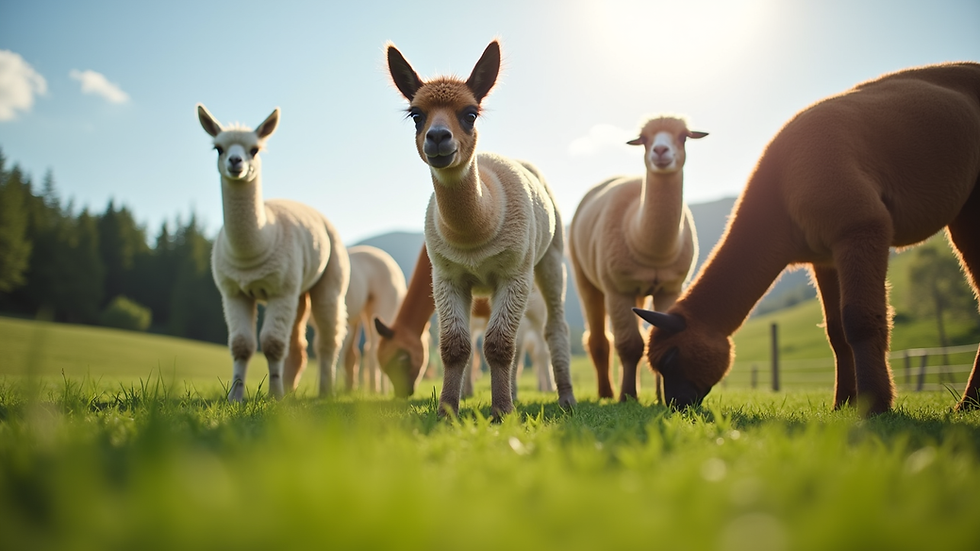
Alpacas are remarkable for many reasons. They have a light environmental footprint compared to other livestock. Their padded feet gently tread on the soil, preventing damage and erosion. Unlike hooved animals, they don’t compact the earth, which helps maintain healthy soil structure. Plus, alpacas graze selectively, which encourages diverse plant growth rather than overgrazing.
One of the best parts? Alpacas produce a luxurious fleece that can be harvested without harm. Shearing them once a year keeps them comfortable and provides a renewable resource for natural fibres. This cycle of care and use embodies the heart of sustainable farming.
How Alpacas Enhance Sustainable Farm Practices
Integrating alpacas into your farm can boost sustainability in several practical ways. First, their manure is a fantastic natural fertiliser. It’s low in odour and rich in nutrients, perfect for enriching your garden or crops without synthetic chemicals. Composting alpaca manure improves soil health and encourages beneficial microorganisms.
Alpacas also help with weed control. Their grazing habits target certain invasive plants, reducing the need for herbicides. This natural weed management supports biodiversity and keeps your farm ecosystem balanced.
Moreover, alpacas are relatively low-maintenance. They require less water and feed than many other farm animals, making them ideal for regions where resources need to be conserved. Their calm temperament means they are easy to handle, which is great for families and groups wanting a hands-on, gentle farm experience.
What are the 5 sustainable farming practices?
To truly embrace sustainability on your farm, here are five key practices that work beautifully alongside alpaca farming:
Rotational Grazing
Moving alpacas between paddocks allows grass to recover, preventing overgrazing and soil degradation. This practice keeps pastures lush and productive year-round.
Integrated Pest Management
Using natural predators and plant diversity to control pests reduces chemical use. Alpacas contribute by grazing selectively, which helps maintain a balanced ecosystem.
Water Conservation
Installing rainwater tanks and drip irrigation systems ensures efficient water use. Alpacas’ low water needs complement these efforts perfectly.
Soil Health Management
Regularly adding organic matter like alpaca manure and compost keeps soil fertile and alive. Healthy soil supports robust plant growth and carbon sequestration.
Biodiversity Promotion
Planting native species and maintaining wildlife habitats encourages a thriving ecosystem. Alpacas’ gentle grazing supports this by preventing any one plant from dominating.
By combining these practices, you create a resilient farm that nurtures the land and animals alike.
Creating a Farm Experience That Connects and Inspires
One of the most rewarding aspects of alpaca farming is sharing it with others. Whether it’s families, couples, seniors, or tour groups, alpacas invite a unique connection to nature. Their curious eyes and soft hums create a calming atmosphere that encourages mindfulness and joy.
At Iris Lodge Alpacas, we’ve designed our farm experiences to be accessible and meaningful. Visitors can learn about sustainable farming, interact with alpacas, and see firsthand how ethical animal care and environmental stewardship go hand in hand. It’s a chance to slow down, breathe fresh air, and appreciate the simple beauty of farm life.

Practical Tips for Starting Your Own Sustainable Alpaca Farm
If you’re inspired to start your own alpaca farm with sustainability in mind, here are some practical steps to get you going:
Start Small and Learn
Begin with a few alpacas and gradually expand as you gain experience. Attend workshops or connect with local alpaca communities for support.
Plan Your Pasture
Design paddocks for rotational grazing and include native plants to support biodiversity. Healthy pastures mean happy alpacas.
Invest in Quality Fencing
Alpacas are curious but not escape artists. Secure fencing protects them and local wildlife.
Focus on Nutrition
Provide balanced feed and fresh water. Supplement grazing with hay during dry seasons.
Harvest Fleece Responsibly
Shear alpacas annually in spring to keep them comfortable and collect fibre for crafting or selling.
Compost Manure
Use alpaca manure to enrich your garden or crops, closing the nutrient loop naturally.
By following these steps, you’ll build a farm that’s not only productive but also a sanctuary for animals and people alike.
Embracing a Greener Future with Alpacas
Sustainable farming is more than a method - it’s a mindset. It’s about caring for the earth, respecting animals, and creating a legacy of health and harmony. Alpacas embody this beautifully. Their gentle presence and eco-friendly habits make them perfect partners in this journey.
If you’re looking for a unique, ethical, and accessible farm experience, alpacas offer a warm invitation. They teach us patience, kindness, and the joy of living lightly on the land. Together, we can nurture a greener future - one soft hum and gentle step at a time.
For those curious to dive deeper into sustainable farming practices, alpacas provide a wonderful gateway. They remind us that farming can be joyful, responsible, and deeply connected to nature.
So why not take a step towards sustainability with these charming creatures? Your farm, your family, and the planet will thank you!
I hope this glimpse into sustainable farm practices with alpacas has sparked your imagination and heart. There’s something truly magical about working with animals that care for the land as much as you do. Here’s to many happy days on the farm, filled with laughter, learning, and the soft hum of alpacas nearby.

Comments