How to Start an Alpaca Farm in NSW: Your Ultimate Guide to Starting Alpaca Farm Adventures
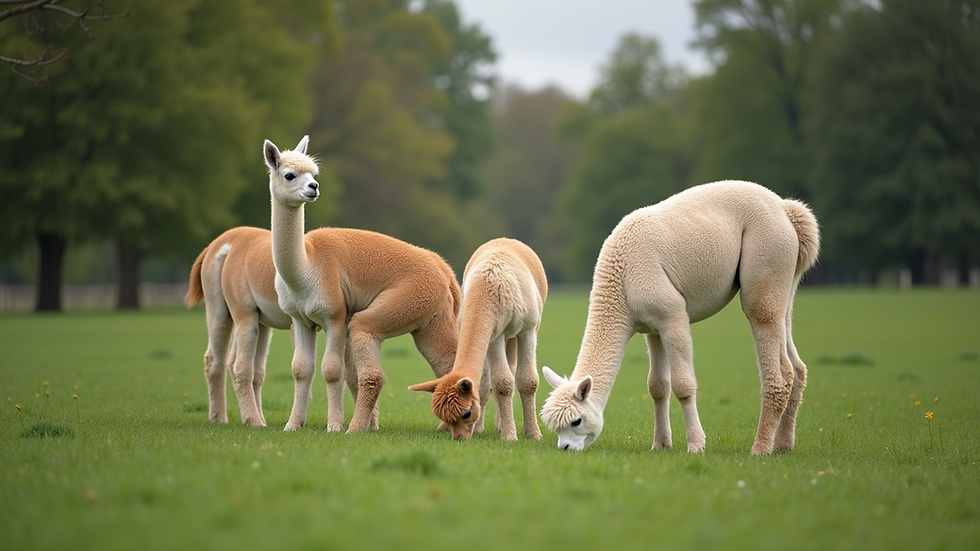
Starting an alpaca farm is a dream that many of us cherish. Imagine waking up to the gentle hum of nature, surrounded by soft, curious alpacas nibbling on fresh grass. It’s not just a farm; it’s a lifestyle filled with joy, connection, and a touch of magic. If you’ve ever wondered how to start an alpaca farm in NSW, you’re in the right place! I’m here to walk you through every step with warmth, clarity, and a sprinkle of excitement.
Why Start an Alpaca Farm? The Charm of Starting Alpaca Farm Life
Alpacas are more than just adorable creatures with fluffy coats. They’re gentle, social, and surprisingly easy to care for. Starting an alpaca farm offers a unique opportunity to connect with nature, create a sustainable business, and share unforgettable experiences with visitors. Whether you’re thinking about breeding, fibre production, or simply creating a peaceful retreat, alpacas bring a special kind of happiness.
In NSW, the climate and landscape are perfect for alpacas. They thrive in temperate conditions and enjoy open spaces with good pasture. Plus, the growing interest in sustainable tourism means your farm can become a sought-after destination for families, couples, seniors, and groups looking for something truly different.

Getting Started: Essential Steps for Starting Alpaca Farm Success
Starting an alpaca farm requires careful planning and a bit of know-how. Here’s a simple roadmap to get you going:
Research and Education
Before you buy your first alpaca, dive into learning. Attend workshops, read books, and connect with local alpaca farmers. Understanding alpaca behaviour, health needs, and breeding basics will save you time and heartache.
Choosing the Right Location
Look for land with good drainage, access to fresh water, and plenty of pasture. Alpacas need space to roam and graze, so a few hectares is ideal. The Central Coast region offers beautiful landscapes and a welcoming community for new farmers.
Setting Up Infrastructure
You’ll need secure fencing, shelter, feeding areas, and water troughs. Alpacas are curious but shy, so fences should be at least 1.2 metres high. Shelters protect them from harsh weather and provide a safe place to rest.
Selecting Your Alpacas
Start with a small herd of healthy, well-bred alpacas. Females (called hembras) are great for breeding, while males (machos) can be kept for breeding or fibre production. Look for animals with good temperament and strong genetics.
Health and Nutrition
Alpacas need a balanced diet of pasture, hay, and mineral supplements. Regular health checks and vaccinations are essential. Establish a relationship with a vet experienced in camelids to keep your herd happy and healthy.
Legal and Business Considerations
Register your farm, check zoning laws, and get any necessary permits. Consider insurance and develop a business plan if you want to turn your farm into a visitor attraction or fibre business.
Starting an alpaca farm is a journey filled with learning and joy. Each step brings you closer to a lifestyle that’s rewarding and deeply connected to nature.
Creating a Welcoming Farm Experience for Visitors
One of the most rewarding parts of running an alpaca farm is sharing it with others. Imagine families, couples, seniors, and groups arriving to meet your gentle alpacas, learn about sustainable farming, and enjoy the peaceful surroundings. Here’s how to make your farm a warm, inviting place:
Design Comfortable Visitor Areas
Create shaded picnic spots, walking paths, and safe viewing areas. Accessibility is key, so think about paths suitable for wheelchairs and strollers.
Offer Guided Tours and Workshops
Share your knowledge with engaging tours that explain alpaca care, fibre processing, and farm life. Hands-on workshops, like alpaca feeding or wool spinning, add a special touch.
Create a Farm Shop
Sell alpaca wool products, handmade crafts, and local produce. This not only supports your farm financially but also gives visitors a tangible memory to take home.
Host Special Events
Seasonal festivals, school visits, and group bookings can bring the community together and boost your farm’s profile.
By focusing on hospitality and education, your farm becomes more than a business - it becomes a beloved destination.

Caring for Your Alpacas: Tips for Happy, Healthy Herds
Alpacas are hardy animals, but they do need attentive care to thrive. Here are some practical tips to keep your herd content:
Daily Checks
Spend time observing your alpacas every day. Look for signs of illness, injury, or distress. Alpacas are stoic, so subtle changes can be important.
Grooming and Shearing
Shear your alpacas annually to keep them cool and harvest their valuable fibre. Regular grooming helps prevent matting and keeps their coats clean.
Social Needs
Alpacas are herd animals and need companionship. Never keep a single alpaca alone. A small group of three or more is ideal.
Parasite Control
Work with your vet to develop a parasite management plan. Regular faecal tests and pasture rotation help keep parasites at bay.
Breeding and Birthing
If you plan to breed, learn about the gestation period (about 11.5 months) and birthing process. Provide extra care for pregnant females and newborn crias.
Caring for alpacas is a labour of love, but the rewards are immense. Their gentle nature and quirky personalities make every day on the farm a joy.
Growing Your Farm and Community Connections
Once your alpaca farm is up and running, it’s time to think about growth and community. Building strong local connections can open doors to new opportunities and support.
Join Local Farming Groups
Connect with other alpaca farmers and agricultural organisations. Sharing experiences and resources strengthens your farm’s future.
Collaborate with Tourism Networks
Partner with local tourism boards and businesses to promote your farm as a unique destination. This can attract more visitors and boost your profile.
Engage with Schools and Community Groups
Educational visits and volunteer programs create meaningful experiences and foster community support.
Expand Your Product Range
Consider adding value with alpaca wool products, farm stays, or wellness retreats. Diversifying income streams helps your farm thrive.
Growing your farm is about more than just animals - it’s about building a vibrant, sustainable community around your passion.
Embracing the Journey: Your Alpaca Farm Adventure Awaits
Starting an alpaca farm in NSW is a wonderful adventure filled with discovery, connection, and plenty of heartwarming moments. From the first steps of planning to welcoming visitors and caring for your herd, every day brings new joys.
If you’re ready to take the leap, remember that support is all around you. Whether it’s advice from experienced farmers, local workshops, or simply the thrill of working with these charming animals, your alpaca farm journey is waiting to unfold.
For those interested in exploring opportunities and resources, check out this helpful link to alpaca farm nsw for more insights and community connections.
Here’s to your new life filled with fluffy friends, fresh air, and the simple pleasures of farm living. Your alpaca adventure starts now!
Thank you for joining me on this guide to starting an alpaca farm. May your days be filled with soft fleece and sunny smiles!

This article offers practical advice for residential building projects. A qualified Residential Building Contractor can manage schedules, coordinate trades, and ensure quality workmanship. Professional oversight often helps homeowners achieve their goals while keeping projects organized and progressing efficiently.
This article explains the importance of maintaining a complete Business Directory Listing very well. Accurate profiles help businesses stand out online while providing customers with useful information that supports informed decisions and improves overall user experience significantly today.
What a lovely resource covering both the passion and practicalities, like visitor experiences and legal steps. Makes owning alpacas feel achievable. Excellent read alongside relaxing games like arrow puzzle!
really enjoyed reading this article. many users today also rely on an instagram video downloader to keep their favorite reels and videos offline.